


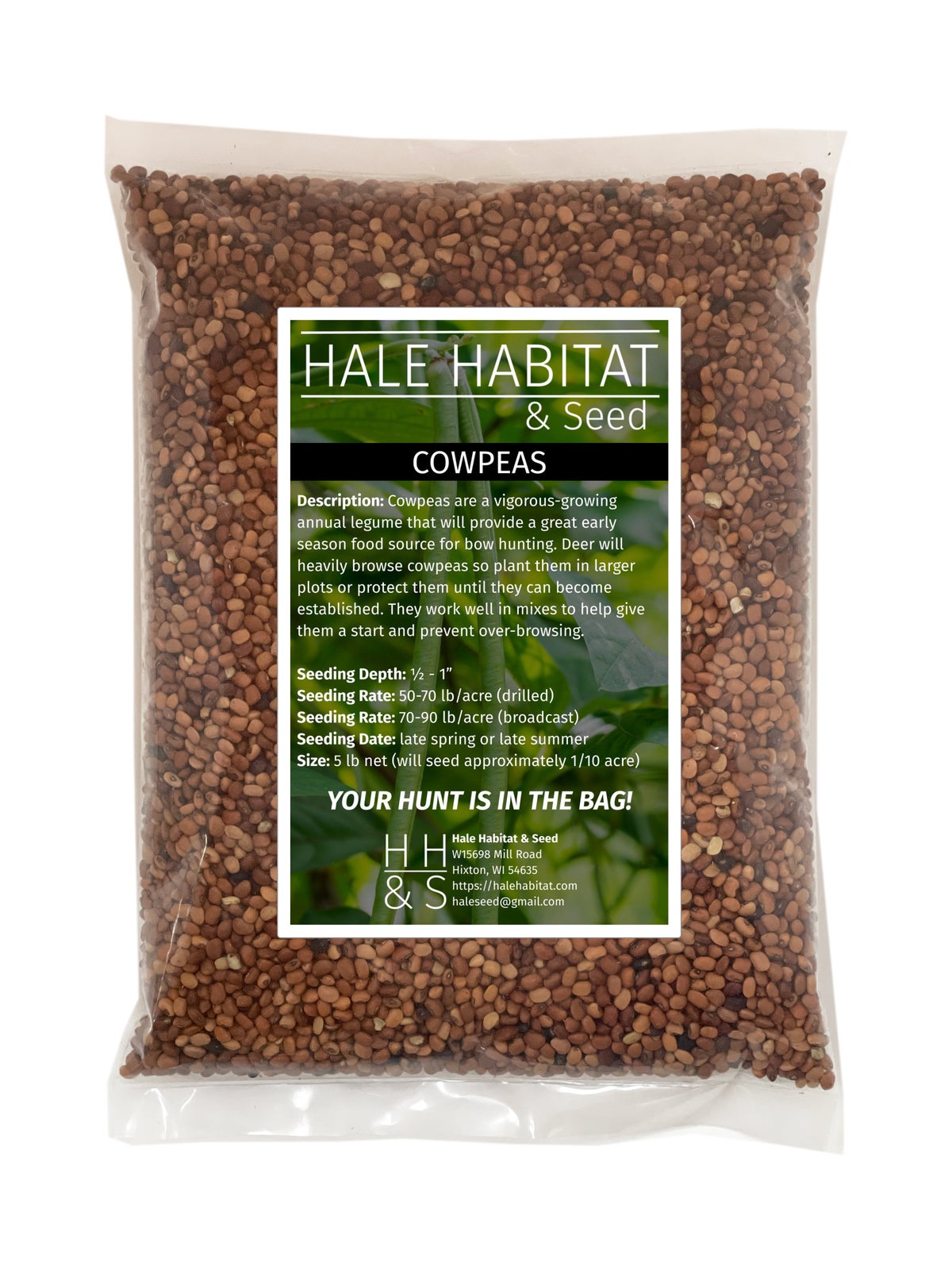
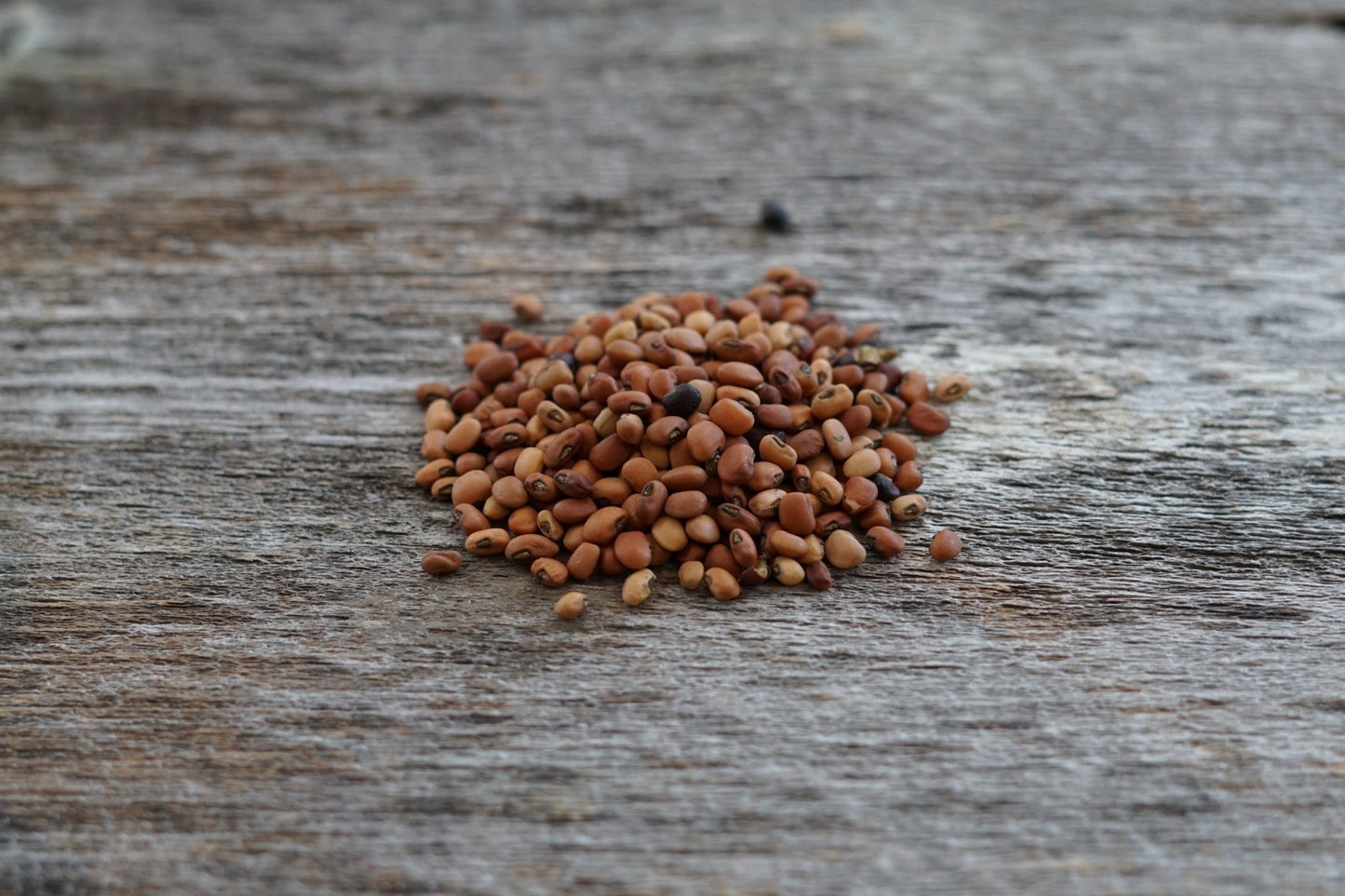
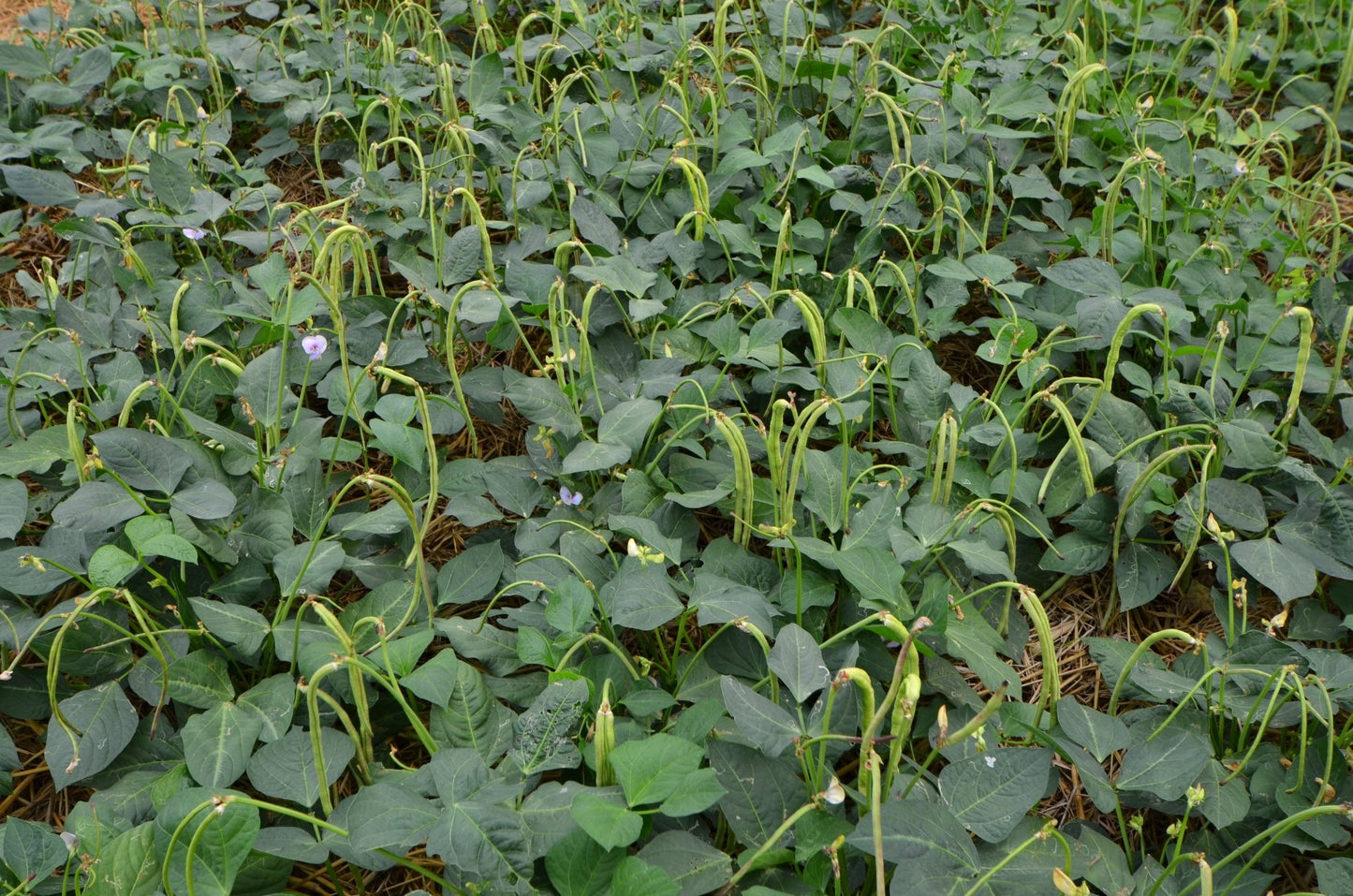
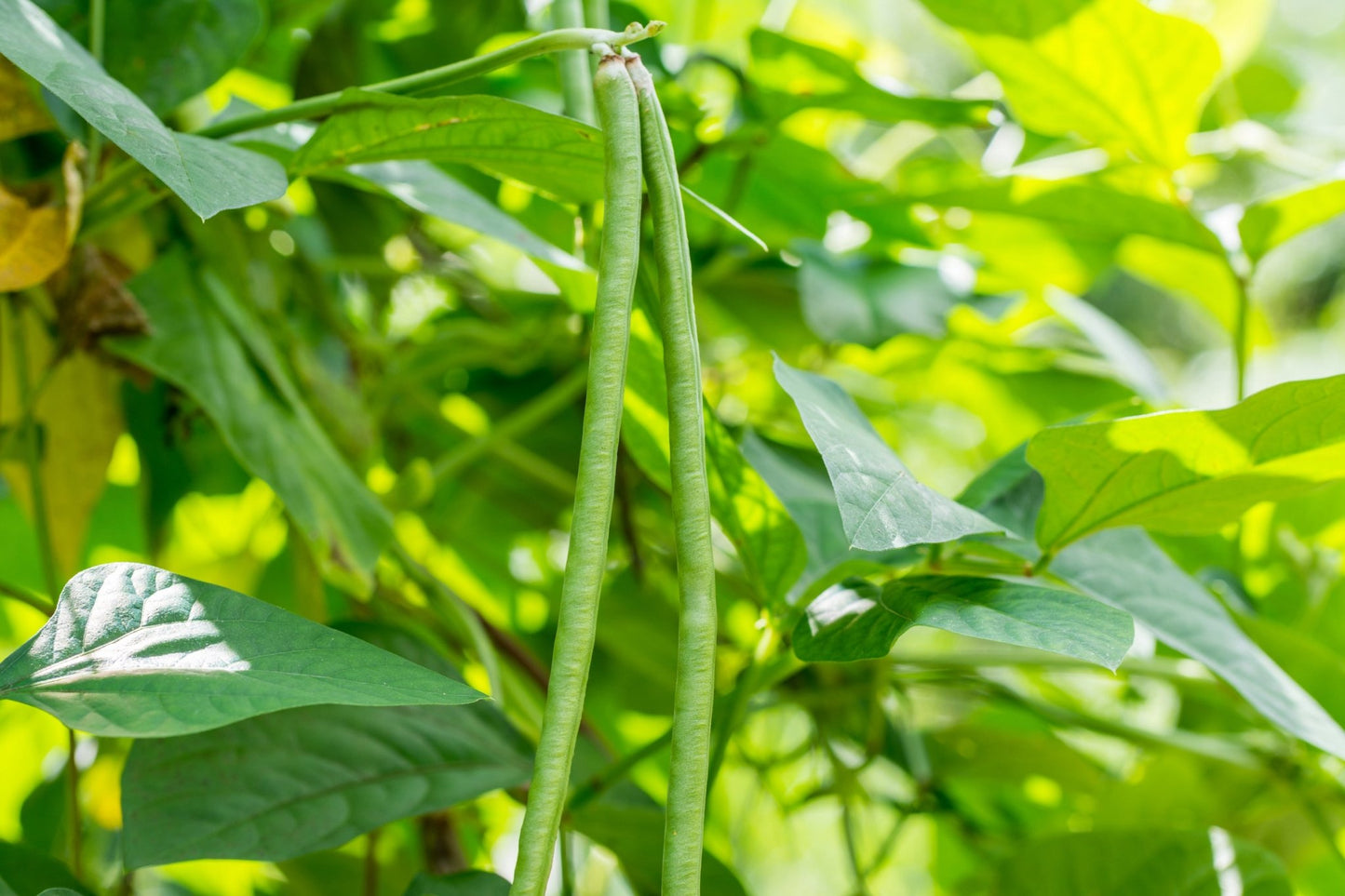
Cowpea (Vigna unguiculata) is a warm-season legume known for its ability to fix nitrogen and provide high-protein forage. It is widely used as a cover crop, forage, and wildlife food plot. Cowpeas are particularly beneficial for deer, turkey, and other wildlife, offering high-protein seeds and tender foliage. Cowpeas are also important for soil health by enriching the soil with nitrogen and improving its structure.
Benefits for Wildlife Habitat
✔ High-protein seeds are an excellent food source for deer, turkey, and small game.
✔ Fast-growing foliage provides cover and forage for wildlife during the summer months.
✔ Nutrient-rich forage supports wildlife nutrition in late summer and fall.
✔ Attracts pollinators, benefiting bees and other beneficial insects.
✔ Fixes nitrogen, improving soil fertility for subsequent crops or plantings.
Planting Guidelines
-
Planting Times:
- Spring to Early Summer (April–June): Cowpeas are warm-season crops, best planted after the last frost when the soil temperature is around 65°F or higher.
- Mid-Summer: Can also be planted as a summer cover crop or food plot.
-
Seeding Depth:
- 1 to 1.5 inches deep for proper germination and root development.
-
Seeding Rates:
- Drilled: 20–30 lbs per acre for a more uniform and consistent stand.
- Broadcast: 30–40 lbs per acre, followed by light dragging or cultipacking to ensure good seed-to-soil contact.
-
Days to Maturity:
- 60–90 days depending on the variety and growing conditions, with harvestable seeds appearing in late summer to fall.
-
Drought Tolerance:
- Moderate to High – Cowpeas are drought-tolerant once established, thanks to their deep roots, but they perform best with consistent moisture during early growth stages.
-
Saturated Soil Tolerance:
- Low to Moderate – Cowpeas do not tolerate waterlogged soils well and prefer well-drained soils.
-
Shade Tolerance:
- Low – Performs best in full sun, as it requires high light for optimal growth and seed production.
Fertilization Guidelines for Cowpea
- Soil pH: Prefers slightly acidic to neutral soils with a pH range of 6.0–7.0.
- Nitrogen (N): As a legume, cowpeas fix their own nitrogen, so they generally require little or no additional nitrogen fertilizer. Excessive nitrogen can promote excessive vegetative growth at the expense of seed production.
- Phosphorus (P): Apply 20–40 lbs P₂O₅ per acre for optimal root and seed development, especially if soil phosphorus levels are low.
- Potassium (K): Apply 30–60 lbs K₂O per acre if soil potassium levels are deficient to support overall plant growth.
Fertilization Timing:
- Apply phosphorus and potassium before planting based on soil test recommendations.
- As a legume, cowpeas do not require heavy fertilization, and minimal nitrogen should be applied to prevent excessive growth.
Herbicide Use for Cowpea
-
Weed Management:
- Weed control is important during the establishment phase, as weeds can outcompete young cowpeas. However, once established, cowpeas can tolerate moderate weed pressure.
-
Herbicide Options:
- Pre-emergence: Use herbicides such as Prowl H2O (Pendimethalin) or Treflan (Trifluralin) for controlling grass and broadleaf weeds before planting.
- Post-emergence: 2,4-D can be used to control broadleaf weeds after cowpeas are established.
Key Considerations:
- Be cautious with herbicide use, especially during the early stages of growth, as cowpeas are sensitive to many chemicals.