


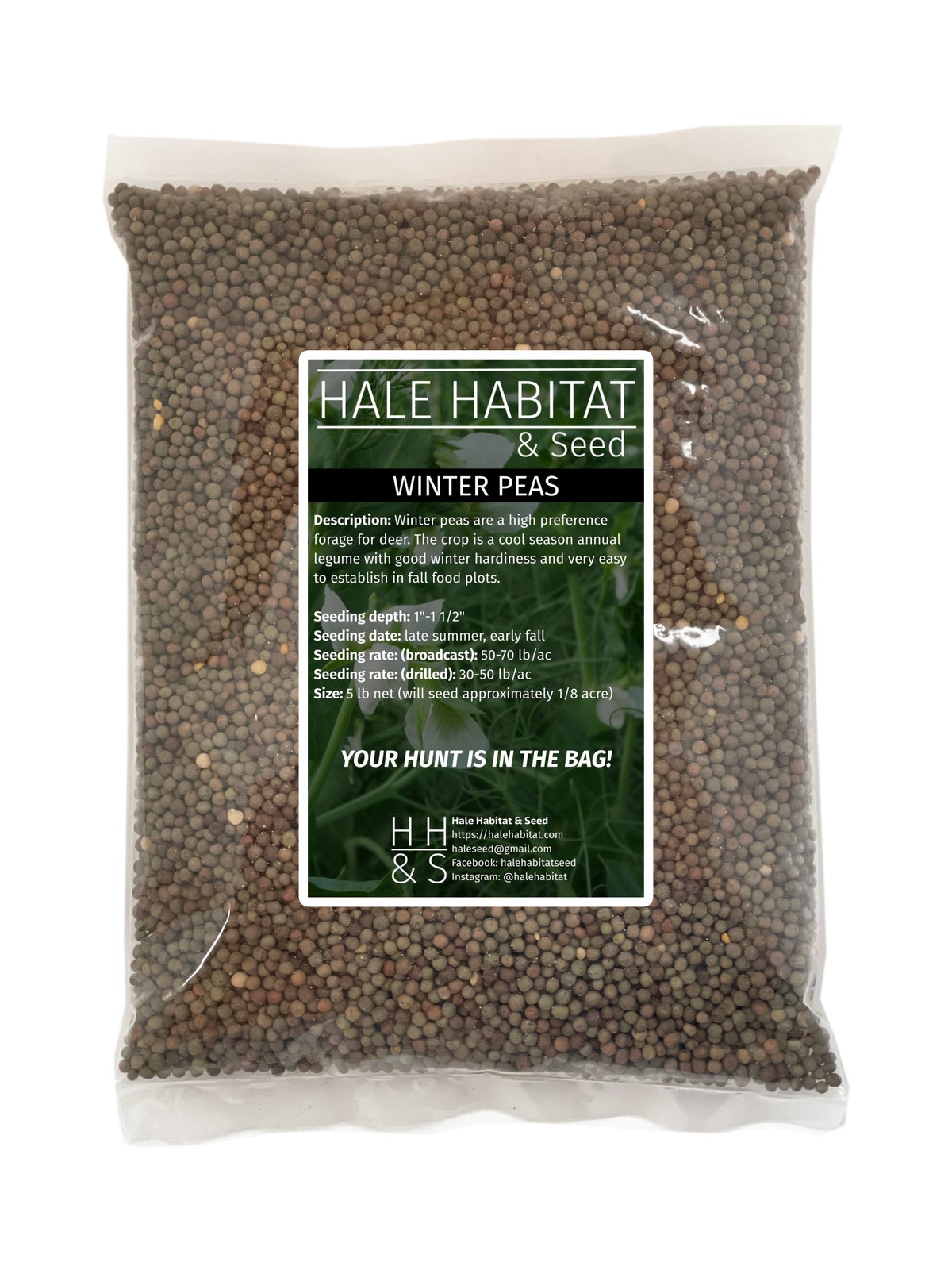
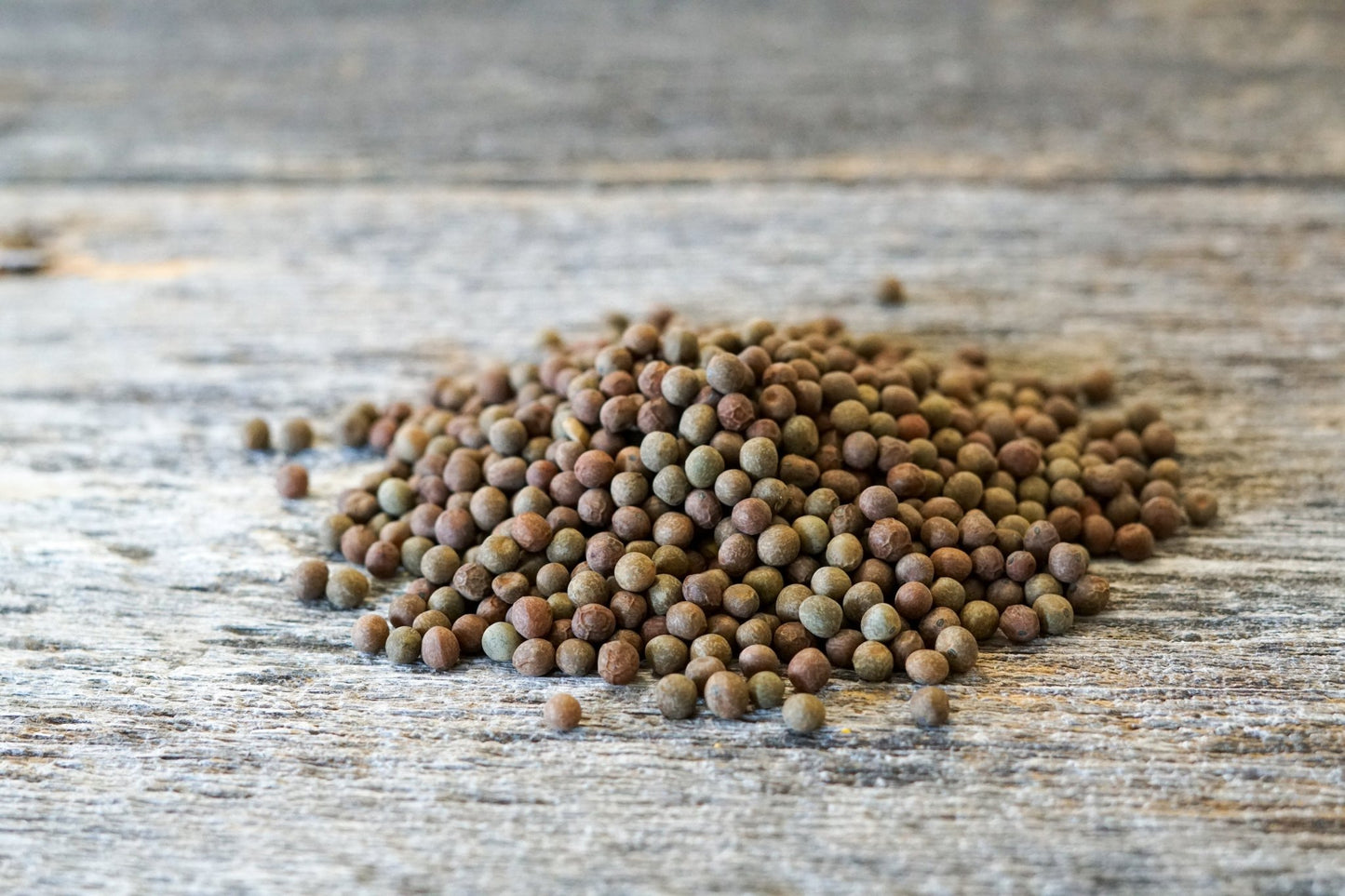
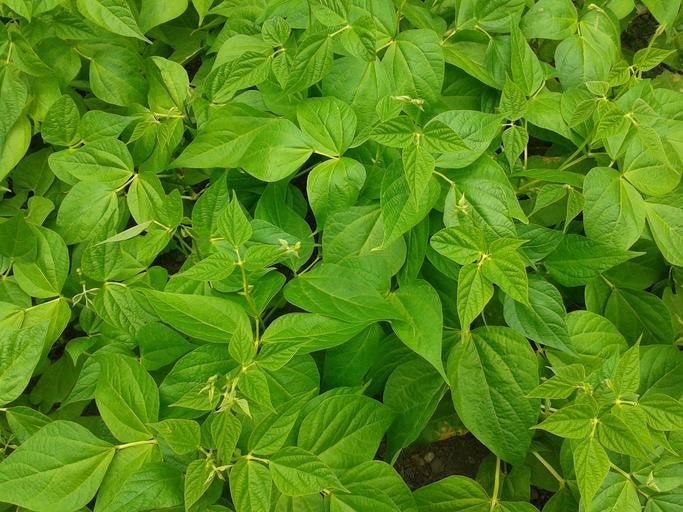
Winter peas, also known as fall peas or forage peas, are a hardy legume that thrives in colder climates. They are highly nutritious, providing both high protein content and energy, making them an excellent food source for wildlife, especially in the fall and winter months. Winter peas are commonly planted in food plots to attract deer, turkeys, and other wildlife species.
Planting Times
-
Best Time to Plant: Late summer to early fall (typically in August or September) to ensure growth before the first frost and maximize the fall and winter food availability for wildlife.
Planting Depth
-
Depth: 1 to 1.5 inches deep.
Planting Rates
-
Broadcast: 25-30 pounds per acre.
-
Drilling: 20-25 pounds per acre.
Days to Maturity
-
Maturity: 70 to 100 days depending on weather conditions and growing environment.
Height at Maturity
-
Mature Height: Typically 24 to 36 inches, depending on soil and environmental factors.
Drought Tolerance
-
Winter peas have moderate drought tolerance, but their growth can be limited during extended dry periods. They do best in soils that retain moisture but are well-drained.
Saturated Soil Tolerance
-
Tolerates some wet soils but thrives in well-drained, loamy soils. Standing water for prolonged periods can hinder growth.
Shade Tolerance
-
Winter peas prefer full sun to partial shade and can tolerate some shade but will not perform well in dense shade conditions.
Fertilization Guidelines and Needs
- Nitrogen: Winter peas fix their own nitrogen, so they typically do not require additional nitrogen fertilizers.
- Phosphorus & Potassium: Winter peas do well with adequate phosphorus and potassium, especially in soils with low natural fertility. A soil test is recommended to determine needs.
- Lime: If soil pH is below 6, lime application can help improve growth.
Herbicide Use for Winter Peas
- Winter peas are sensitive to herbicides, especially during the early stages of growth. It's best to avoid broad-spectrum herbicides like glyphosate.
- Pre-emergence herbicides like trifluralin can help control weeds without harming the pea plants.
- Post-emergence herbicides: Use with caution and only when necessary. Always follow product labels for appropriate usage.
- Weed Management: Mulching, proper soil preparation, and rotation with other crops can help reduce the need for herbicides.