


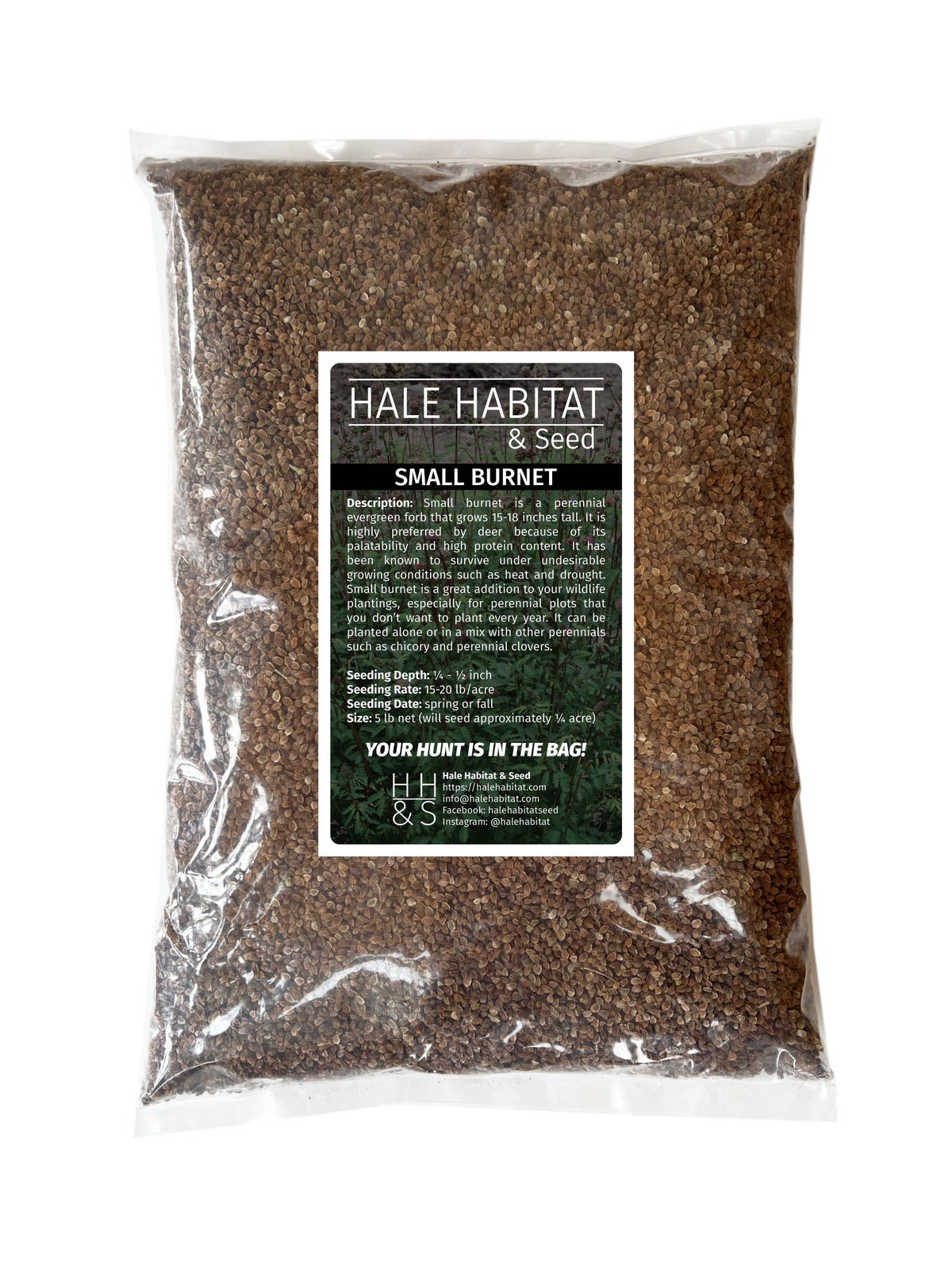
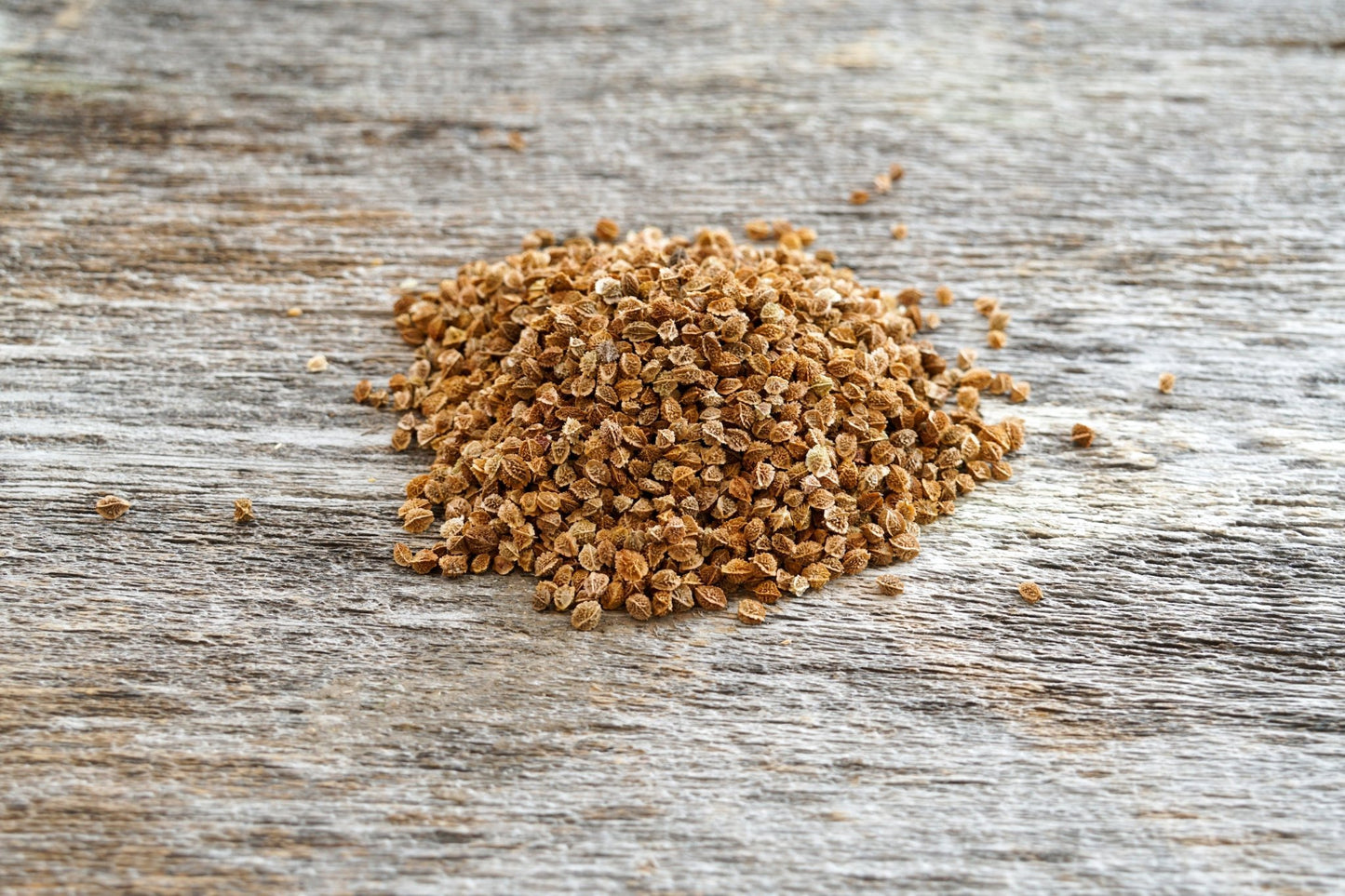
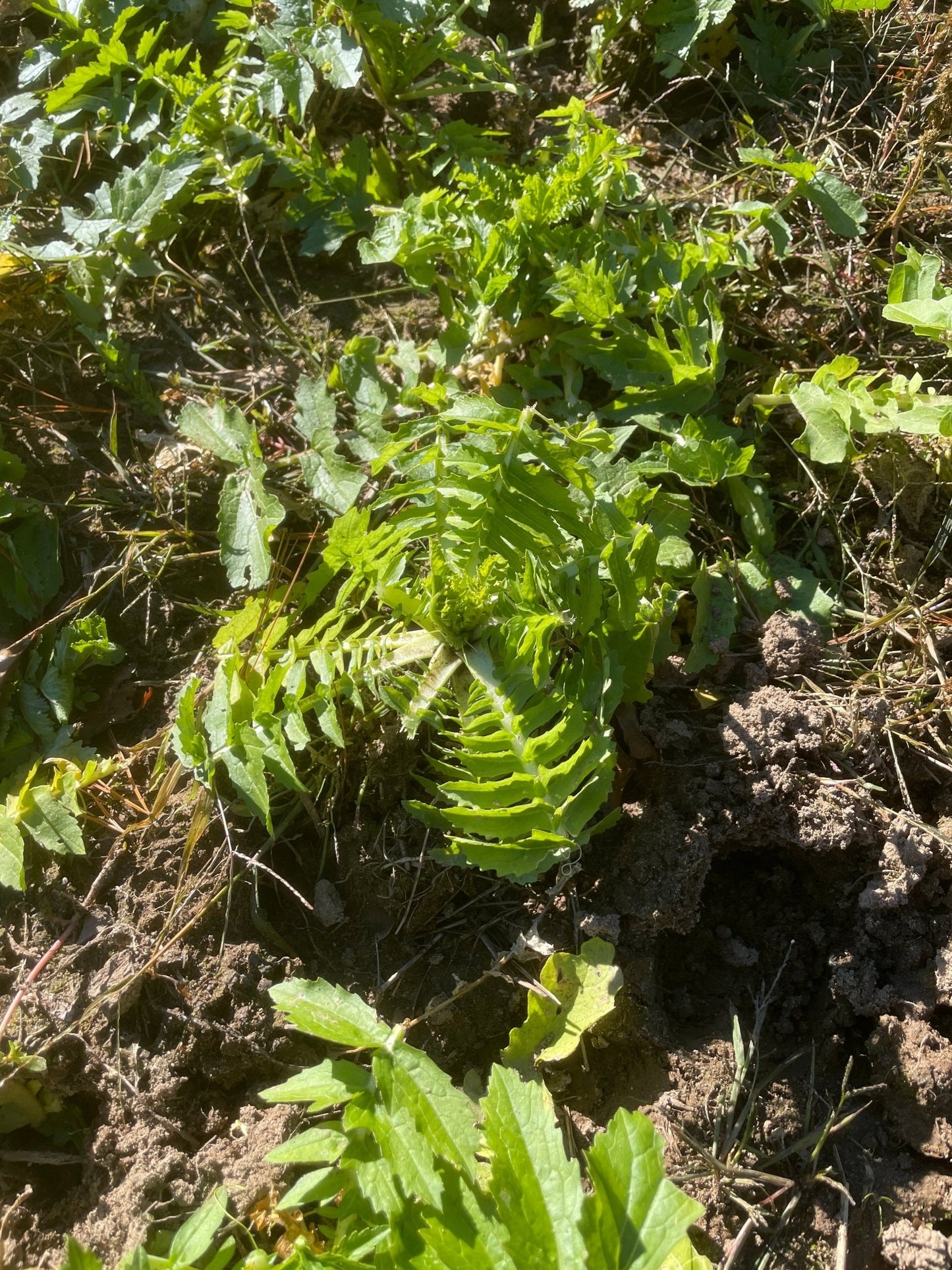
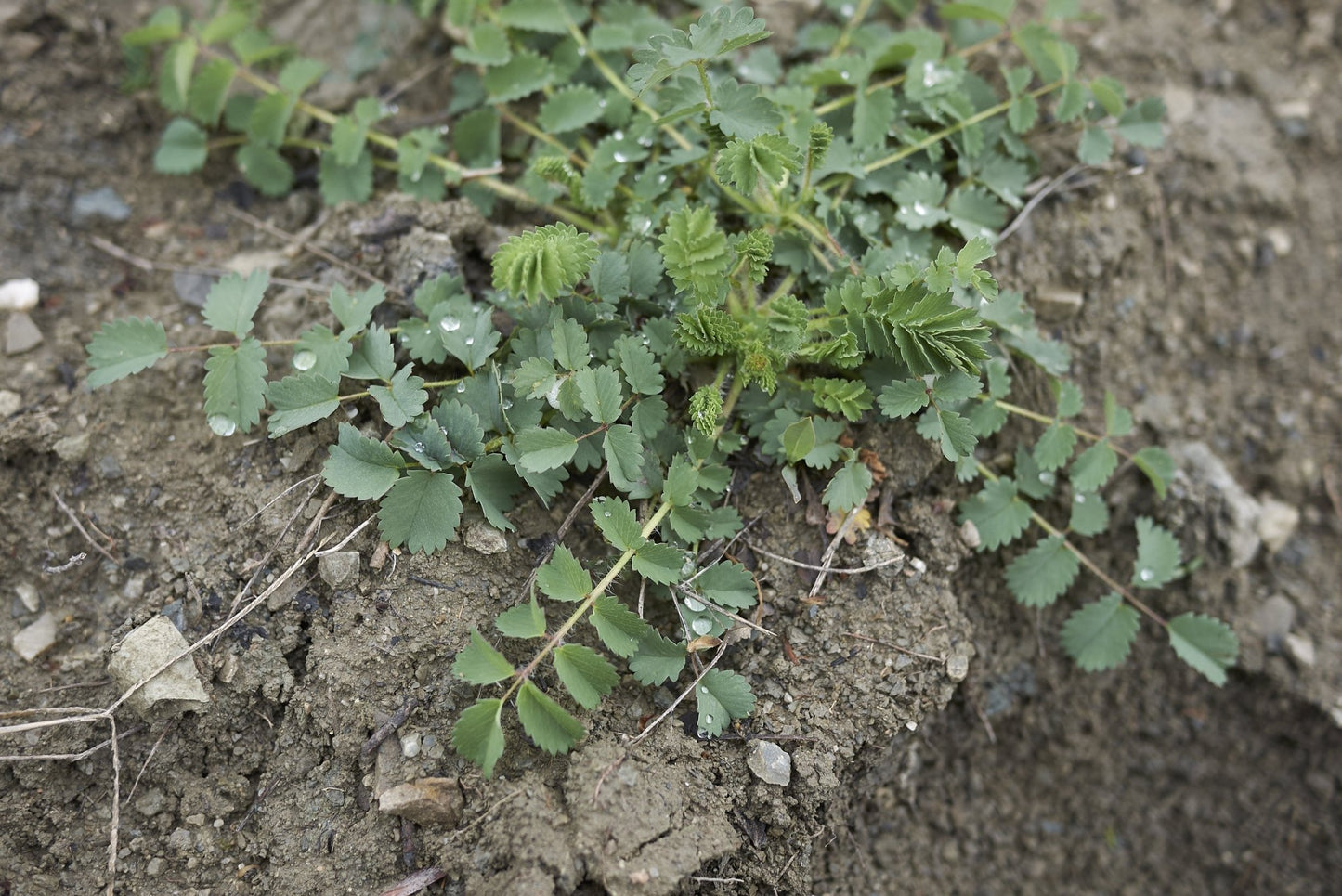
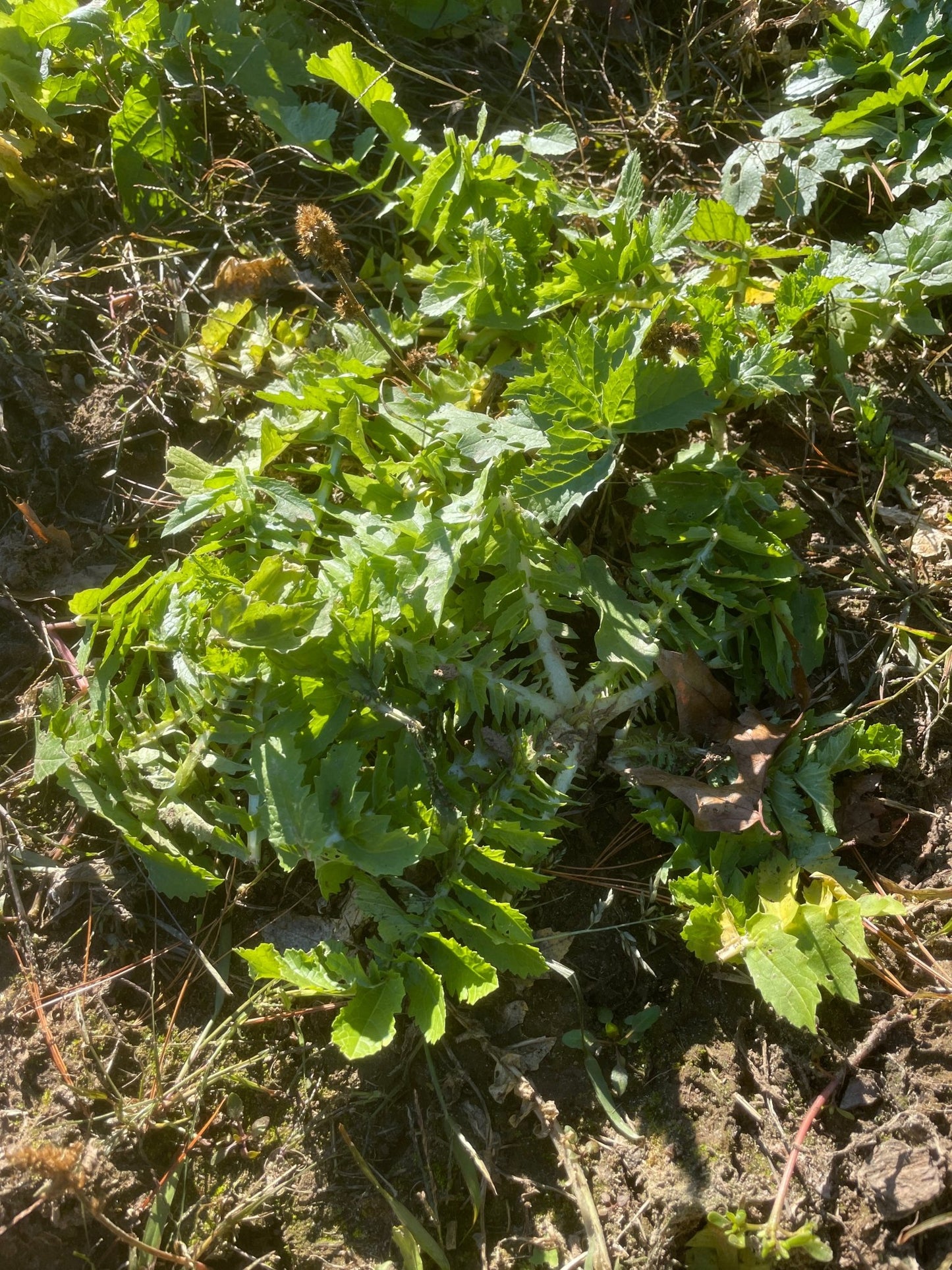
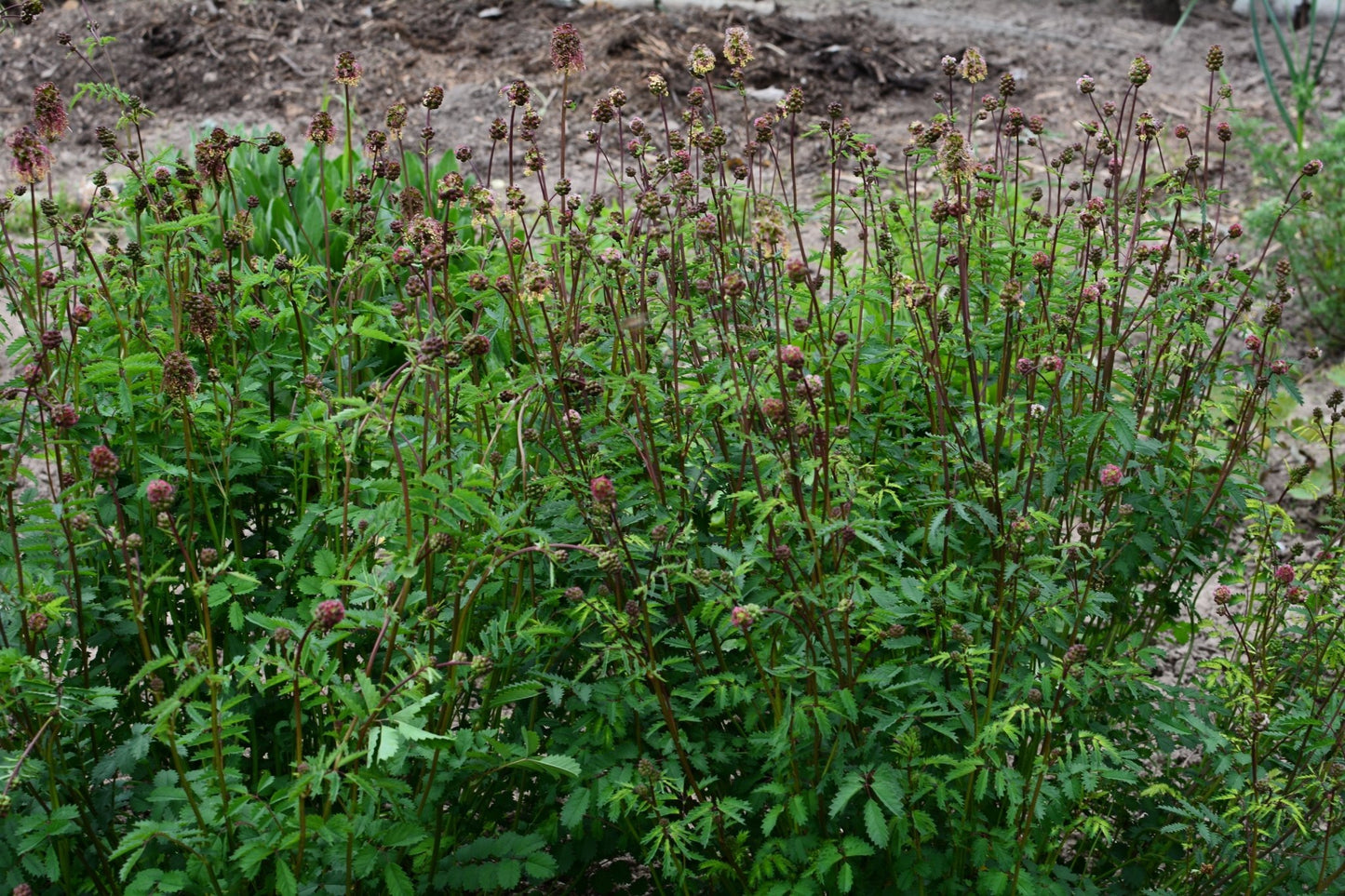
Small burnet (Sanguisorba minor) is a hardy, perennial herb that is both nutritious and beneficial for wildlife food plots. Its leaves, flowers, and seeds provide a high-quality forage for various wildlife, including deer, rabbits, and birds. Known for its resilience in tough growing conditions, small burnet can be used in wildlife food plots to provide year-round nutrition and habitat diversity.
Benefits for Wildlife
✔ Highly nutritious forage – Small burnet is rich in proteins and minerals, making it ideal for deer, rabbits, and other grazing animals.
✔ Attracts a variety of wildlife – It is especially attractive to pollinators like bees and butterflies, making it a great companion plant for other food sources.
✔ Multi-season forage – The plant produces edible leaves and seeds throughout the year, providing a continuous food supply for wildlife.
✔ Good for habitat – It can also serve as a cover plant, offering wildlife protection and shelter.
Planting Guidelines for Small Burnet
-
Planting Times:
- Best planted in early spring (March to April) or fall (September to October) for optimal growth and establishment.
-
Seeding Depth:
- 1/8 to 1/4 inch deep, as it is a small seed that requires shallow planting for proper germination.
-
Seeding Rates:
- Drilled: 3–5 lbs per acre for uniform establishment.
- Broadcast: 5–7 lbs per acre, ensuring the seed is lightly covered with soil for better germination.
-
Days to Maturity:
- Small burnet typically reaches maturity in 60–90 days from planting, depending on environmental conditions.
-
Height at Maturity:
- Can grow up to 1–2 feet tall, depending on soil conditions and maintenance.
-
Drought Tolerance:
- Moderate to high – Small burnet is relatively drought-tolerant once established, though it thrives best with consistent moisture.
-
Saturated Soil Tolerance:
- Low to moderate – Prefers well-drained soil and does not perform well in waterlogged conditions.
-
Shade Tolerance:
- Low to moderate – Requires full sun for optimal growth but can tolerate partial shade under certain conditions.
Fertilization Guidelines for Small Burnet
-
Soil pH:
- Best grown in slightly acidic to neutral soil with a pH between 6.0 and 7.5.
-
Fertilizer Needs:
- Small burnet typically requires moderate fertilization to thrive. Applying 10–20 lbs of nitrogen per acreannually will encourage healthy growth.
- Phosphorus and potassium levels should be maintained based on soil tests, as these nutrients support root and flower development.
Timing:
- Apply fertilizers in the spring before planting or during early growth stages to support establishment.
Herbicide Use for Small Burnet
-
Weed Control:
- While small burnet is relatively drought-tolerant and hardy, it may require weed control during establishment.
- Pre-emergence herbicides like Pendimethalin or Trifluralin can be used before planting to prevent weed growth.