


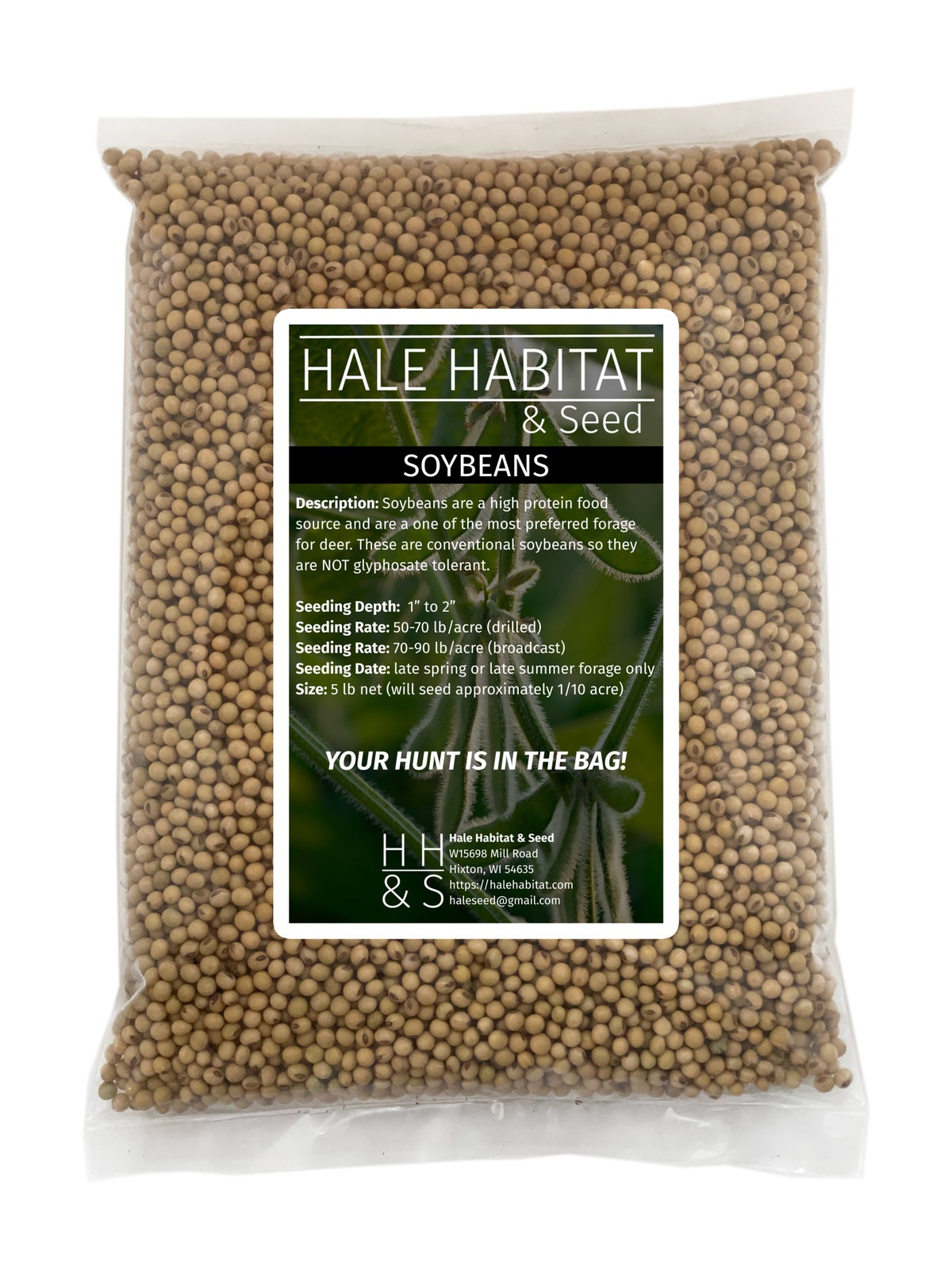
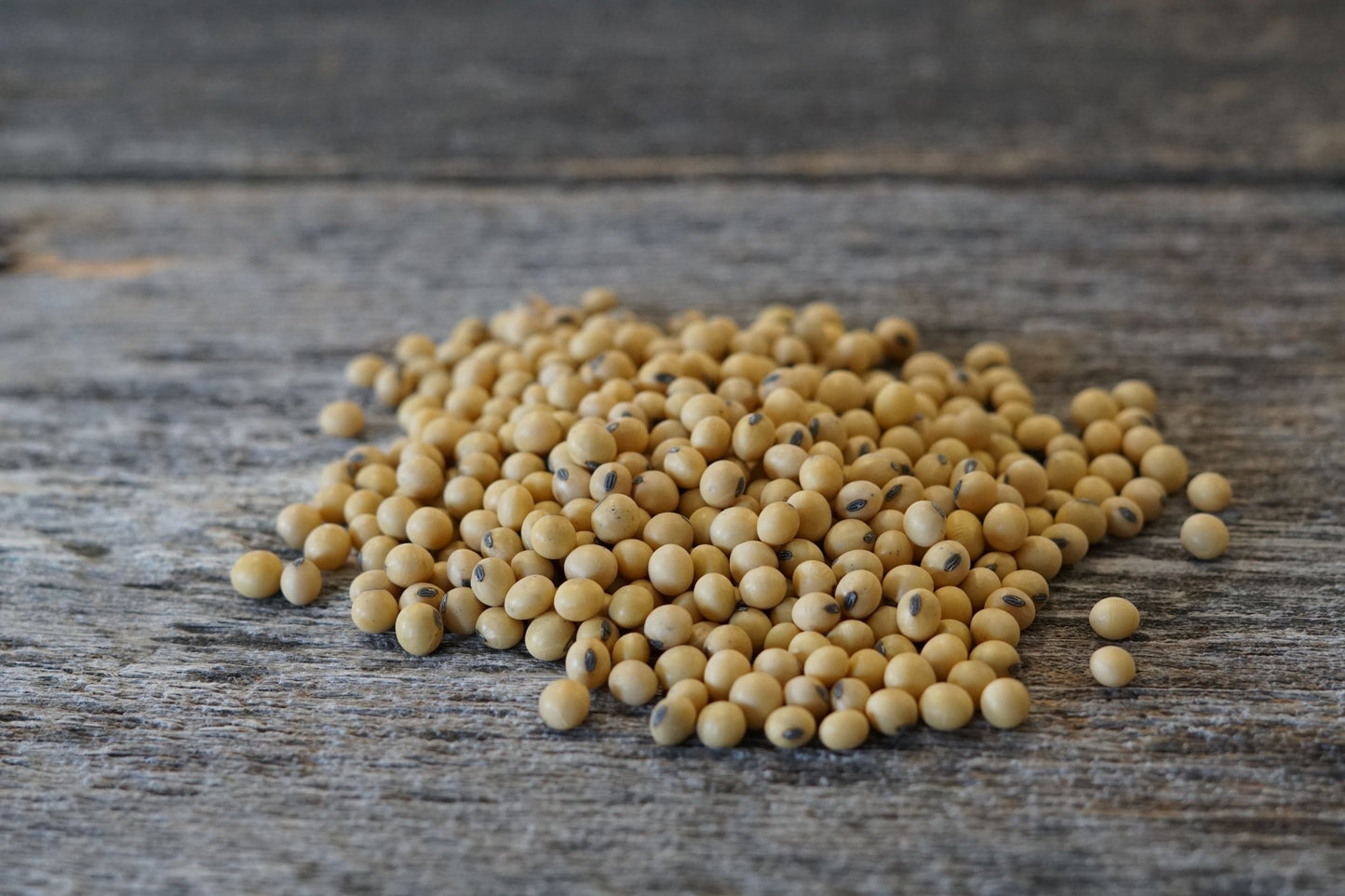
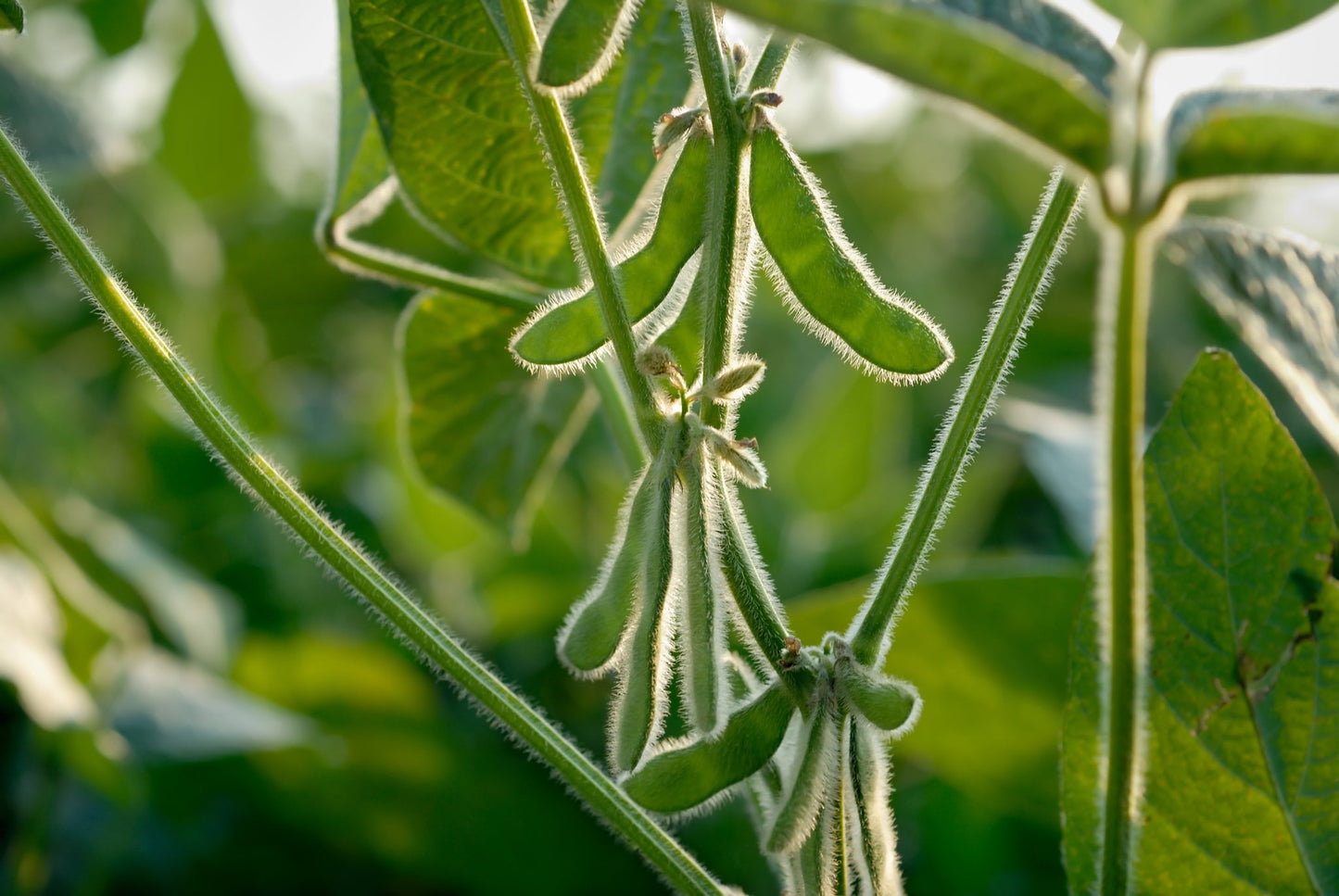
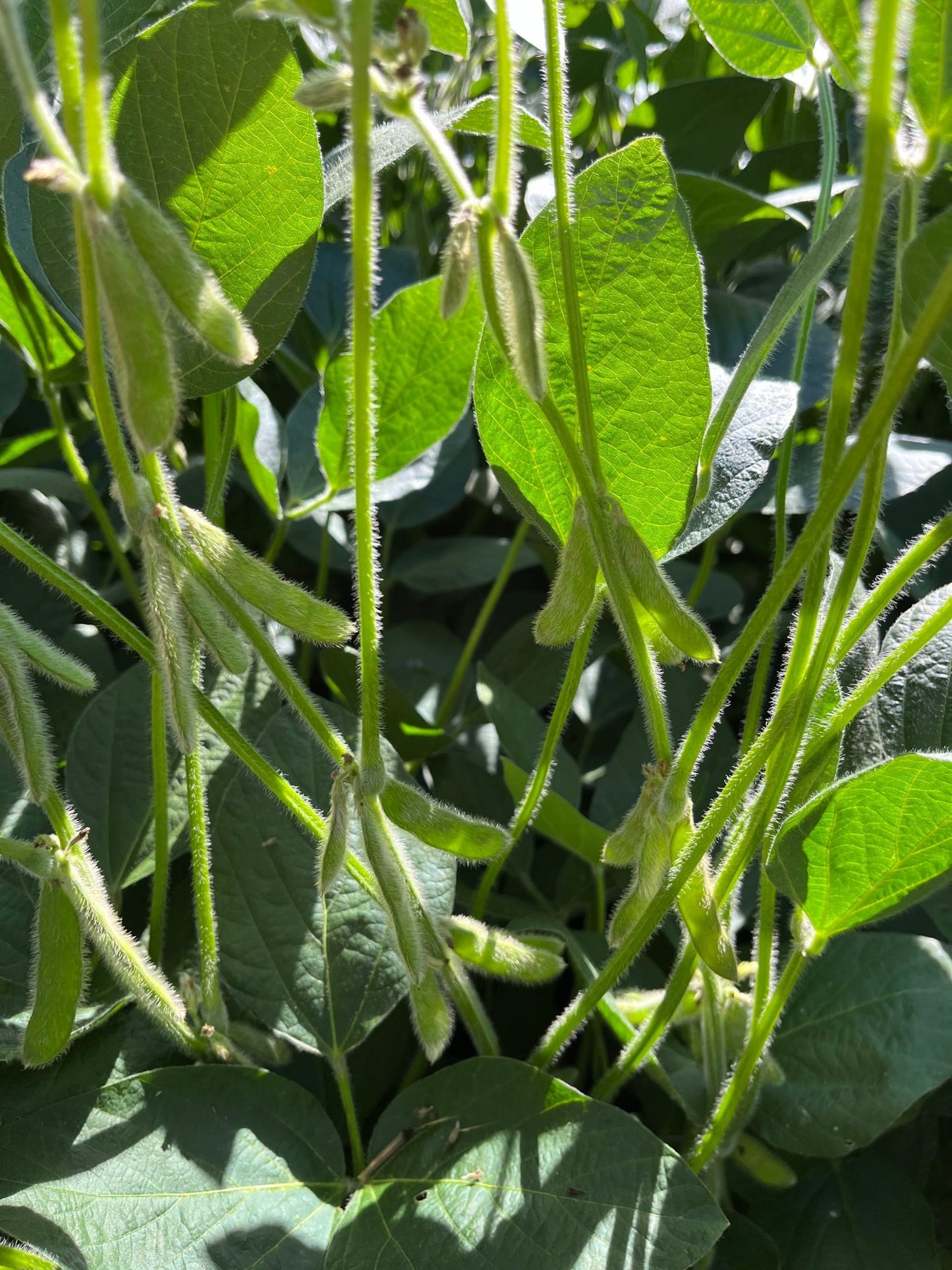
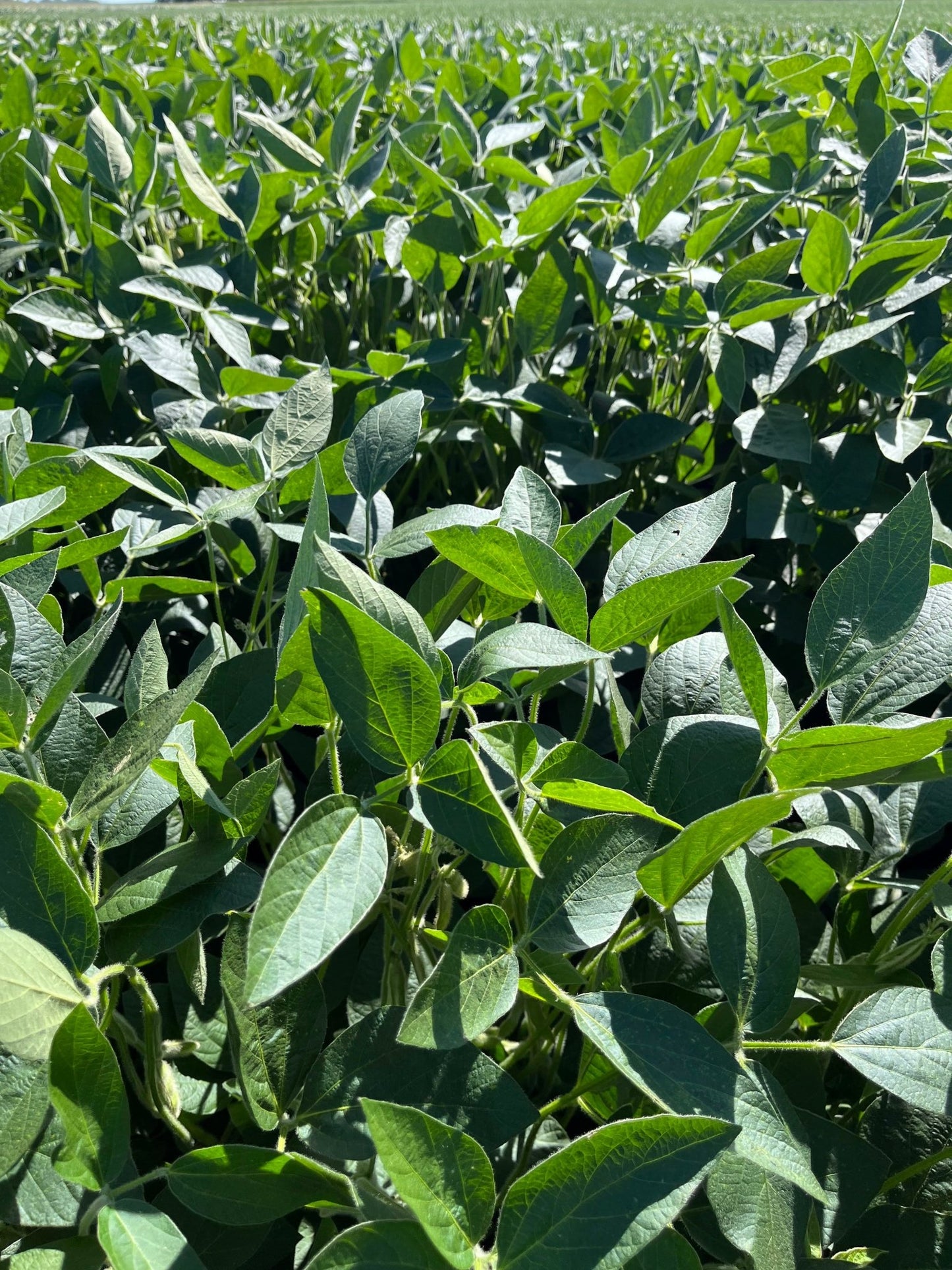
Soybean (Glycine max) is a high-protein legume commonly grown for human and livestock consumption, but it also serves as a valuable food source for wildlife. The plant provides high-nutrient forage in the form of leaves, seeds, and pods, benefiting a wide range of wildlife, including deer, birds, and small mammals. As a legume, it also improves soil nitrogen levels, making it beneficial for crop rotations or wildlife habitat restoration.
Benefits for Wildlife
✔ High-protein food source – Soybeans are rich in protein, making them an excellent choice for attracting deer, turkey, quail, and small mammals.
✔ Seed production – Soybean seeds are especially attractive to wildlife in late summer and fall when the pods mature.
✔ Shelter and cover – The plant’s dense foliage provides cover for wildlife, especially in more open or transitional habitats.
✔ Pollinator support – The flowers of soybeans also attract bees and other pollinators, benefiting the surrounding ecosystem.
Planting Guidelines for Soybean
-
Planting Times:
- Best planted in late spring to early summer (May to June) when the soil temperature reaches around 60–70°F for optimal germination.
-
Seeding Depth:
- 1–1.5 inches deep is ideal for soybean seeds to ensure good seed-to-soil contact.
-
Seeding Rates:
- Drilled: 60–80 lbs per acre, depending on soil type and desired plant density.
- Broadcast: 80–100 lbs per acre for good coverage, ensuring seeds are lightly covered with soil.
-
Days to Maturity:
- Soybeans typically take 90–150 days to mature, depending on the variety and environmental conditions.
-
Height at Maturity:
- Soybean plants generally reach 2–4 feet tall, depending on the variety and growing conditions.
-
Drought Tolerance:
- Moderate – While soybeans are relatively drought-tolerant once established, they perform best with regular moisture, especially during flowering and pod-setting stages.
-
Saturated Soil Tolerance:
- Low to moderate – Soybeans do not tolerate waterlogged soil well, preferring well-drained, loamy soils.
-
Shade Tolerance:
- Low – Soybeans require full sun for optimal growth and seed production.
Fertilization Guidelines for Soybean
-
Soil pH:
- Soybeans prefer slightly acidic to neutral soil, with an optimal pH range of 6.0 to 6.5.
-
Fertilizer Needs:
- Soybeans are nitrogen-fixing legumes, meaning they do not require significant nitrogen fertilization, but may benefit from phosphorus and potassium to support healthy growth and seed production.
- Fertilizer application should be based on soil test results. Typical applications may include 30–50 lbs of phosphorus per acre and 30–50 lbs of potassium per acre.
Timing:
- Apply fertilizers before planting or during early vegetative growth, and consider using a starter fertilizer for enhanced early growth.
Herbicide Use for Soybean
-
Weed Control:
- Herbicide application is essential for managing weeds, especially during early growth stages.
- Pre-emergence herbicides, such as metolachlor or pendimethalin, can be applied to prevent weed growth before soybeans emerge.